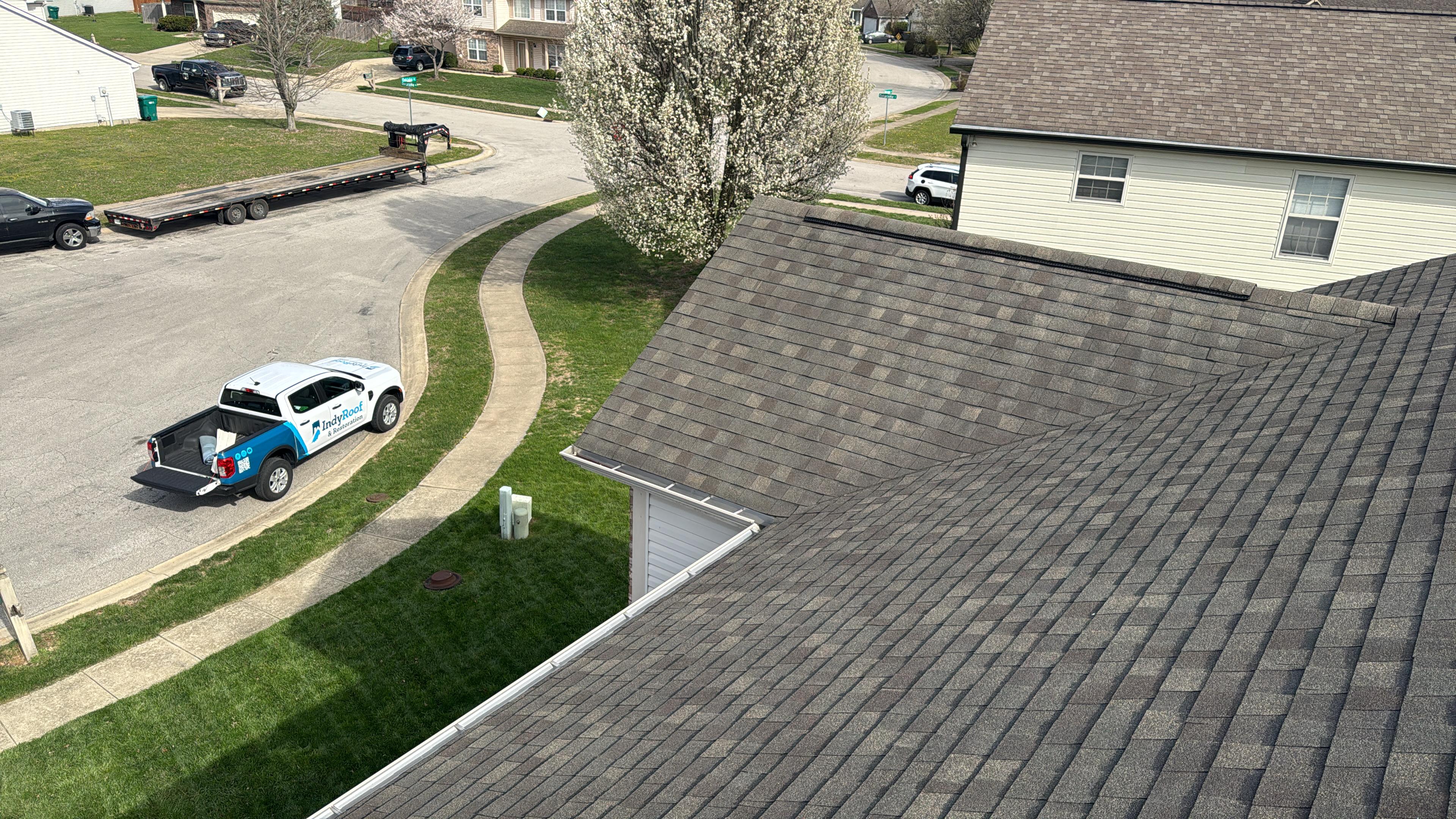
Typical 2026 cost per square foot by system
The single biggest driver of a commercial roof's per square foot price is the system you put on it, so that is where any honest pricing guide starts. The ranges below are typical installed costs for Cherry Tree commercial roofs in 2026, meaning material and labor for the membrane or metal system. They are approximate and your building can land above or below them, because condition and complexity move the number, but they give you a realistic frame for budgeting.
Single ply membranes (TPO, EPDM, PVC)
Single ply is the most common commercial roofing, and it covers a range. TPO, the value leader, typically runs in the area of five to nine dollars or more per square foot installed in 2026. EPDM lands in a similar band, often around four to eight dollars or more. PVC, the premium membrane built for grease and chemical exposure, sits higher, frequently in the six to thirteen dollar range or more, reflecting both the material cost and the buildings it goes on. Within each, the thickness, attachment method, and warranty you choose move you up or down the range.
Modified bitumen
Modified bitumen, a multi ply asphalt based system, generally falls in the four to ten dollar per square foot range or more in 2026 for a Hamilton roof. It is a proven system with good durability, and its price reflects the number of plies and the installation method, whether torch applied, cold adhered, or self adhered.
Metal roofing
Standing seam and other metal systems sit at the top of the commercial range, often well into the double digits per square foot, because the material and the labor to install it correctly cost more. What that buys is the longest service life of any common commercial system, frequently several decades, which is why metal often wins the cost per year comparison even though its first cost is highest. For a Cherry Tree building planning to hold long term, metal's price can make sense despite the larger upfront number.
Why the ranges are ranges, not prices
It is tempting to want one number, but a responsible quote for your roof reflects your building, not an average. The same membrane can cost noticeably more on a roof that needs extensive deck repair, sits several stories up, or has dozens of penetrations to flash, than on a simple, sound, single story roof. The system sets the band, and the building's specifics place you within it. That is why a real per square foot price for your roof comes from an inspection that accounts for those specifics, not from a chart.
Getting your building's actual number
It is worth keeping the long view in mind while you focus on the per square foot number, because a commercial roof is a twenty year decision, not a one time purchase. The price you pay today is only part of the picture, and the system that costs a little more but lasts longer, needs less maintenance, and saves on energy can be the cheaper roof across its life. A Cherry Tree owner who weighs total cost rather than first cost tends to make a decision they are still happy with a decade later, which is exactly what you want from an expense this size.
None of this means the lowest price is always wrong or the highest always right. It means the price has to be read in context, against the scope, the system, what is included beneath the membrane, the warranty, and who is doing the work. A owner who gathers that context can spot both a fair deal and a false economy, and can choose with confidence rather than picking a number and hoping. The point of understanding the pricing is to make the decision a clear one instead of a gamble on the roof over your building.
The other thing the per square foot figure cannot capture is the value of the work being done right, which only shows up over time. A roof installed by a careful crew, with clean seams and properly flashed details, quietly does its job for decades, while a cheaper roof rushed by an inexperienced crew announces its problems within a few seasons. On your Hamilton building, the quality of the installation determines whether you get the service life the system is capable of, and that is worth as much consideration as the number on the quote.
It is worth keeping the long view in mind while you focus on the per square foot number, because a commercial roof is a twenty year decision, not a one time purchase. The price you pay today is only part of the picture, and the system that costs a little more but lasts longer, needs less maintenance, and saves on energy can be the cheaper roof across its life. A Cherry Tree owner who weighs total cost rather than first cost tends to make a decision they are still happy with a decade later, which is exactly what you want from an expense this size.
None of this means the lowest price is always wrong or the highest always right. It means the price has to be read in context, against the scope, the system, what is included beneath the membrane, the warranty, and who is doing the work. A owner who gathers that context can spot both a fair deal and a false economy, and can choose with confidence rather than picking a number and hoping. The point of understanding the pricing is to make the decision a clear one instead of a gamble on the roof over your building.
The other thing the per square foot figure cannot capture is the value of the work being done right, which only shows up over time. A roof installed by a careful crew, with clean seams and properly flashed details, quietly does its job for decades, while a cheaper roof rushed by an inexperienced crew announces its problems within a few seasons. On your Hamilton building, the quality of the installation determines whether you get the service life the system is capable of, and that is worth as much consideration as the number on the quote.
It is worth keeping the long view in mind while you focus on the per square foot number, because a commercial roof is a twenty year decision, not a one time purchase. The price you pay today is only part of the picture, and the system that costs a little more but lasts longer, needs less maintenance, and saves on energy can be the cheaper roof across its life. A Cherry Tree owner who weighs total cost rather than first cost tends to make a decision they are still happy with a decade later, which is exactly what you want from an expense this size.
Use the ranges above to build a rough budget and to sanity check the quotes you receive, but get a real figure before you commit. Cherry Tree Roofing provides a free inspection and a written, itemized per square foot price for your Cherry Tree roof, so the number you plan around reflects your actual building rather than a national average. Call {phone} to get a firm 2026 price for your specific roof. A real number up front protects the budget and the project, which is the whole point of pricing it right.